Find Your Balance: A Beginner’s Guide to Yoga Meditation


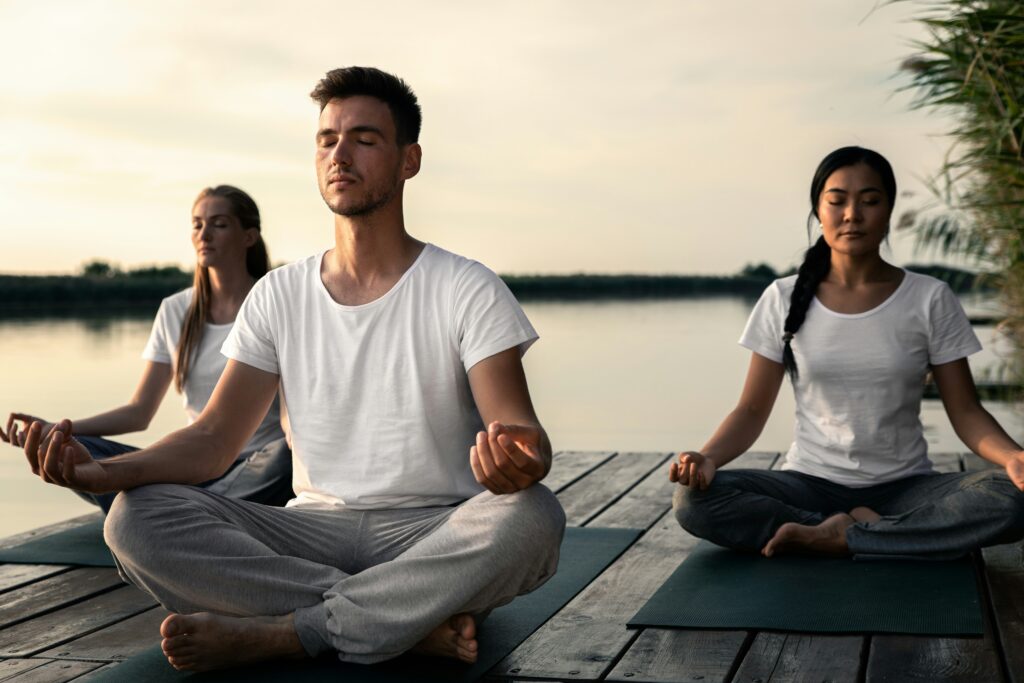
Starting yoga meditation can feel like a small step, but it can create meaningful changes in daily life. It brings gentle movement, steady breathing, and quiet attention together. This combination can help beginners feel calmer, think more clearly, and become more comfortable in their bodies. You do not need to be flexible or experienced to begin. You only need a little time, a comfortable space, and a willingness to practice.
Yoga meditation is also flexible enough to fit different lifestyles. Some people practice for ten minutes after waking up. Others prefer a quiet session before bed. The goal is not to perform every pose perfectly or stop every thought. The goal is to become more aware of your breathing, movement, and state of mind. With regular practice, these simple habits can support greater calm, focus, and physical flexibility.
Understanding Yoga Meditation as a Beginner
Yoga meditation combines physical yoga movements with mindful breathing and focused awareness. Traditional yoga may include poses that strengthen and stretch the body. Meditation encourages you to notice your thoughts and feelings without becoming overwhelmed by them. When these practices work together, the body becomes part of the meditation experience instead of remaining still throughout the session.
Beginners often assume they need special skills before starting. That is not true. You can begin with simple stretches, comfortable seated positions, and slow breathing. There is no need to force your body into difficult poses. A successful session may involve moving gently and paying attention to how each movement feels. The practice becomes easier as you learn to stay present.
Creating a Comfortable Space for Practice
Your environment can affect how relaxed and focused you feel. Choose a clean, quiet area where you can move without bumping into furniture. You do not need a large room or a special meditation space. A corner of your bedroom or living room may work well. A yoga mat can provide comfort, but a soft rug or firm carpet may also be suitable.
Try to reduce distractions before you begin. Silence unnecessary notifications and, if possible, let other people know you need a few quiet minutes. Comfortable clothing can make movement easier. Natural light or gentle indoor lighting may also create a peaceful feeling. A simple setting helps you focus on the practice instead of worrying about your surroundings.
Using the Breath to Build Calm
Breathing is one of the easiest ways to bring your attention into the present moment. Begin by sitting or lying in a comfortable position. Breathe naturally for a few moments. Then slowly inhale through your nose and notice your chest and stomach expanding. Exhale gently without pushing the air out. Keep your breathing smooth and comfortable.
Slow breathing can help create a sense of relaxation during yoga meditation. When your thoughts begin to wander, return your attention to your breath. You do not need to get frustrated when your mind wanders. Wandering thoughts are normal. Notice what happened and gently focus on breathing again. This repeated return to the breath helps strengthen concentration over time.
Improving Focus Through Mindful Movement
Yoga meditation teaches you to pay attention while moving. Instead of rushing from one pose to another, notice how your feet touch the floor, how your muscles stretch, and how your breathing changes. Moving with awareness helps keep your attention connected to the present moment. It can also make simple yoga poses feel more meaningful.
This type of focus can gradually influence other parts of your day. You may become better at giving one task your full attention instead of constantly switching between activities. You may also notice when stress begins to build. Yoga meditation does not remove every distraction, but it teaches you how to redirect your attention. That skill becomes stronger through regular practice.
Building Flexibility Without Forcing the Body
Many beginners worry that they are not flexible enough for yoga. Flexibility is something that develops gradually. It is not a requirement for starting. Your first goal should be comfortable movement rather than reaching a certain position. Stretch only until you feel gentle tension. Sharp pain or strong discomfort is a sign that you should reduce the stretch or stop.
Consistency usually matters more than intensity. Practicing gentle movements several times each week can help your body become more comfortable with stretching. Your range of motion may slowly improve as your muscles adjust. Some days your body may feel tighter than others. Respect those changes. Yoga meditation encourages patience, which helps you improve without turning flexibility into a competition.
Developing a Simple Daily Routine
A beginner routine does not need to be long. Ten to twenty minutes can provide enough time for breathing, movement, and quiet reflection. You might begin with a few slow breaths, continue with gentle stretches and basic yoga poses, and finish by sitting or lying quietly. Keeping the routine simple makes it easier to practice consistently.
Try practicing at a time that fits naturally into your schedule. Morning sessions can help you begin the day with greater awareness. Evening sessions may help you relax after work or study. Choose the time you are most likely to maintain. Regular practice creates familiarity, and familiarity makes the routine feel less like another responsibility and more like a useful daily habit.
Handling Common Beginner Challenges
A busy mind is one of the most common challenges in yoga meditation. You may begin your session and suddenly remember unfinished work, conversations, or plans. Do not judge yourself for these thoughts. Meditation is not about creating an empty mind. Instead, notice the thought and return your attention to your breath, body, or current movement.
Physical discomfort can also discourage beginners. Modify positions when necessary and use pillows or folded blankets for extra support. You do not need to copy advanced practitioners. Everyone has different levels of strength, mobility, and experience. Progress becomes easier when you practice within your own limits. Comfort and control are more important than trying to look perfect.
Bringing Yoga Meditation Into Everyday Life
The benefits of yoga meditation do not have to end when your practice session finishes. You can use mindful breathing during stressful moments at work, school, or home. Taking a few slow breaths before responding to a difficult situation can create a small pause. That pause may help you think more clearly rather than react immediately.
You can also practice awareness during ordinary activities. Notice your breathing while walking, eating, or waiting in line. Pay attention to tension in your shoulders when working at a computer. These small moments strengthen the same awareness you develop during yoga meditation. Over time, mindfulness can become a natural part of your day rather than something limited to a yoga mat.
Growing With Patience and Consistency
Progress in yoga meditation may be difficult to measure at first. You may not notice major changes after a few sessions. Instead, improvements often appear gradually. You might feel slightly calmer in stressful situations, maintain focus for longer, or move with less stiffness. These small changes can become meaningful when you continue practicing.
Avoid comparing your progress with someone else’s experience. Your body and mind will respond at their own pace. Some sessions may feel peaceful, while others may feel distracted or uncomfortable. Both experiences are part of learning. Continue showing up without expecting perfection. A steady and patient approach gives yoga meditation the chance to become a lasting source of calm, focus, flexibility, and balance.