Volunteers on the Front Line: A Natural Disaster Relief Case Study


Natural disasters can change a community within minutes. Hurricanes, floods, wildfires, tornadoes, and earthquakes can destroy homes, damage roads, interrupt power, and leave families without food, water, or shelter. Although government agencies and emergency professionals play a major role in disaster response, volunteers often become the heart of recovery. This case study on the role of volunteers in natural disaster relief shows how ordinary people can help communities survive, rebuild, and regain hope. Through teamwork, preparation, and compassion, disaster relief volunteers provide practical support when communities need it most.
The Background of the Disaster
In this case study, a coastal town faced severe flooding after days of heavy rain and strong storm surge. Streets were flooded, homes suffered major damage, and local shelters quickly reached capacity. Many residents had to leave their homes with only a few belongings. Meanwhile, power outages made communication difficult, and blocked roads slowed emergency access.
As the disaster unfolded, trained emergency teams focused on rescue operations, medical emergencies, and public safety. However, the community’s needs grew faster than official resources could handle on their own. Therefore, local volunteers, faith groups, nonprofit organizations, students, retired workers, and neighbors stepped forward. Their involvement became essential to the town’s disaster relief efforts.
Immediate Response and Emergency Support
During the first stage of natural disaster relief, volunteers helped with urgent needs. They assisted at shelters, welcomed displaced families, distributed blankets, and helped organize sleeping areas. In addition, they prepared meals, sorted donated supplies, and guided residents toward available services.
Volunteers also helped emergency teams by sharing local knowledge. Because many volunteers knew the roads, neighborhoods, and vulnerable residents, they helped identify families in need of support. For example, some volunteers checked on older adults, people with disabilities, and families without transportation. As a result, emergency workers could reach more people more quickly.
Although volunteers did not replace trained first responders, they strengthened the response system. They handled critical support tasks, allowing professionals to focus on life-saving work. This partnership shows why volunteer disaster response matters during the earliest hours of a crisis.
Supply Distribution and Resource Management
After the immediate danger passed, the town faced another challenge: getting supplies to people who needed them. Donations arrived from nearby cities, but without organization, supplies could easily pile up in the wrong places. Volunteers helped solve this problem.
They created sorting stations for bottled water, canned food, diapers, hygiene products, cleaning supplies, and clothing. Then, they helped package items for families based on specific needs. Moreover, volunteers tracked which neighborhoods had received support and which areas still needed help.
This organized approach reduced waste and confusion. It also helped families feel seen and respected. Instead of receiving random supplies, residents received useful items that matched their situation. Therefore, the role of volunteers in natural disaster relief extended beyond kindness. It required planning, communication, and careful coordination.
Emotional Support and Human Connection
Natural disasters do more than damage buildings. They also create fear, grief, stress, and uncertainty. Many residents in this case study felt overwhelmed after losing homes, keepsakes, vehicles, or income. While professional counselors offered critical care, volunteers also provided emotional support through a simple human connection.
They listened to survivors’ stories, sat with families at shelters, helped children feel safe, and offered encouragement during long recovery days. Sometimes, a warm meal, a calm voice, or a familiar face helped people feel less alone. Furthermore, volunteers reminded survivors that their community had not forgotten them.
This emotional support became one of the most powerful parts of the recovery process. Although volunteers could not erase the loss, they helped restore dignity and hope. In disaster relief efforts, compassion often becomes as important as supplies.
Cleanup and Recovery Work
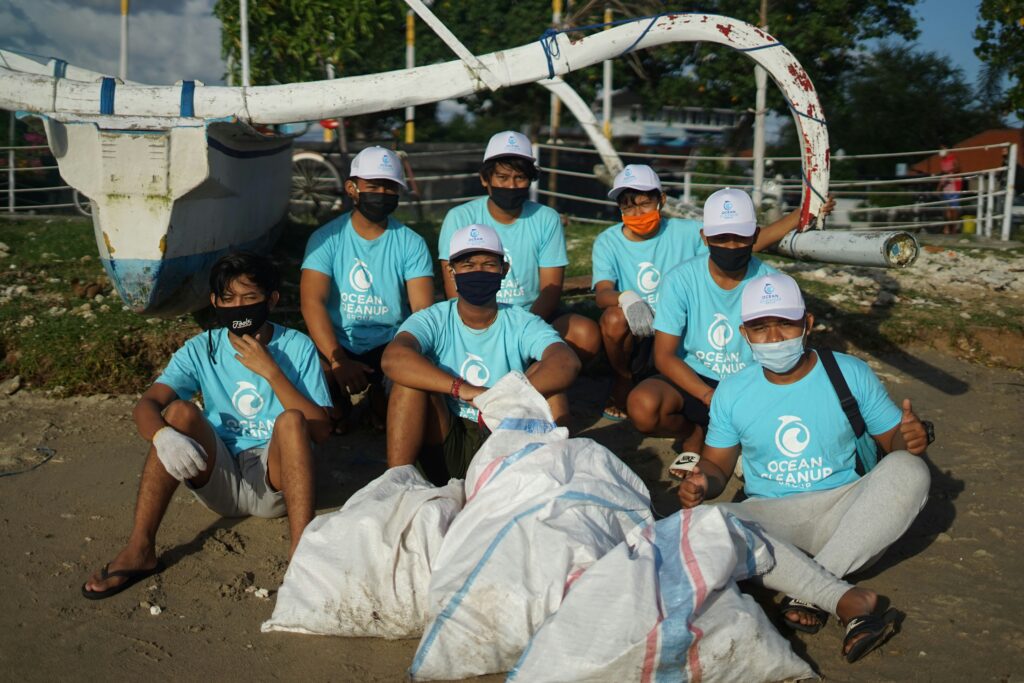
Once floodwaters began to recede, volunteers shifted toward cleanup and recovery. They helped remove damaged furniture, clear debris, clean community spaces, and distribute protective gear. In addition, volunteer teams helped homeowners document damage, contact aid organizations, and begin basic repairs.
This stage required caution and training. Flood-damaged areas can contain sharp objects, mold, unstable structures, and contaminated water. Therefore, experienced organizations trained volunteers before sending them into affected areas. They explained safety rules, assigned team leaders, and provided gloves, masks, and tools.
Because of this structure, volunteers made recovery faster and safer. Their work helped families begin the difficult process of returning home. Moreover, their presence encouraged residents who felt exhausted by the size of the cleanup.
Coordination With Nonprofits and Local Leaders
Successful disaster relief depends on coordination. In this case study, volunteers worked best when local leaders, nonprofits, and emergency agencies gave clear direction. Community centers became information hubs. Nonprofit teams created volunteer schedules. Local officials shared updates about road conditions, shelter needs, and safety concerns.
This coordination prevented duplication. For instance, one group focused on food service, while another handled cleanup supplies. Meanwhile, trained volunteers helped with registration and communication. As a result, the town used time and resources more effectively.
This lesson is essential to every natural disaster relief plan. Volunteers bring energy and compassion, but strong leadership turns that energy into real impact. Therefore, communities should build volunteer systems before disasters happen.
Challenges Volunteers Faced
Although volunteers played a powerful role, they also faced challenges. Many worked long hours in stressful conditions. Some felt emotionally drained after hearing painful stories from survivors. Others struggled with confusion when information changed quickly.
Additionally, untrained volunteers sometimes wanted to help in unsafe areas. This created risks for both volunteers and emergency workers. Because of this, disaster response leaders had to provide clear instructions and remind volunteers to follow safety rules.
These challenges show that good intentions need structure. Volunteers can help most effectively when they receive training, respect boundaries, and understand their roles. Furthermore, organizations must care for volunteers by offering breaks, guidance, and emotional support.
Long-Term Rebuilding and Community Strength
Natural disaster recovery does not end when the news cameras leave. Families may need months or years to rebuild homes, replace belongings, and regain financial stability. In this case study, volunteers continued serving after the emergency stage ended.
Some helped rebuild houses. Others organized donation drives, assisted with paperwork, delivered meals, or mentored children who had fallen behind in school. Community volunteers also helped plan preparedness workshops so residents could respond better to future disasters.
Over time, this long-term support strengthened the town. People who had once needed help later became volunteers themselves. This cycle of service created deeper community bonds. Therefore, the rewards of volunteer disaster response reached far beyond immediate relief.
Lessons From the Case Study
This case study reveals several important lessons about volunteers in natural disaster relief. First, volunteers expand the capacity of emergency response systems. They provide food, supplies, shelter, support, cleanup help, and emotional care. Second, volunteers work best when trained leaders organize their efforts. Without coordination, even generous help can become inefficient or unsafe.
Finally, volunteers support long-term healing. They do not only respond to disaster damage. They help rebuild confidence, connection, and resilience. Because of their commitment, communities can recover with greater strength and unity.
The role of volunteers in natural disaster relief remains essential. When disasters strike, volunteers bring time, skills, compassion, and local knowledge. They support shelters, organize supplies, comfort survivors, assist cleanup crews, and help communities rebuild. However, effective volunteer disaster response requires preparation, training, and coordination.
This case study shows that volunteers do more than fill gaps during emergencies. They help carry a community through fear, loss, recovery, and renewal. Although storms, floods, fires, and earthquakes can damage physical places, volunteers help protect something deeper: the spirit of community. Through service, teamwork, and persistence, they prove that ordinary people can make an extraordinary difference when disaster strikes.