Beyond the Scoreboard: Building Leaders Through Football


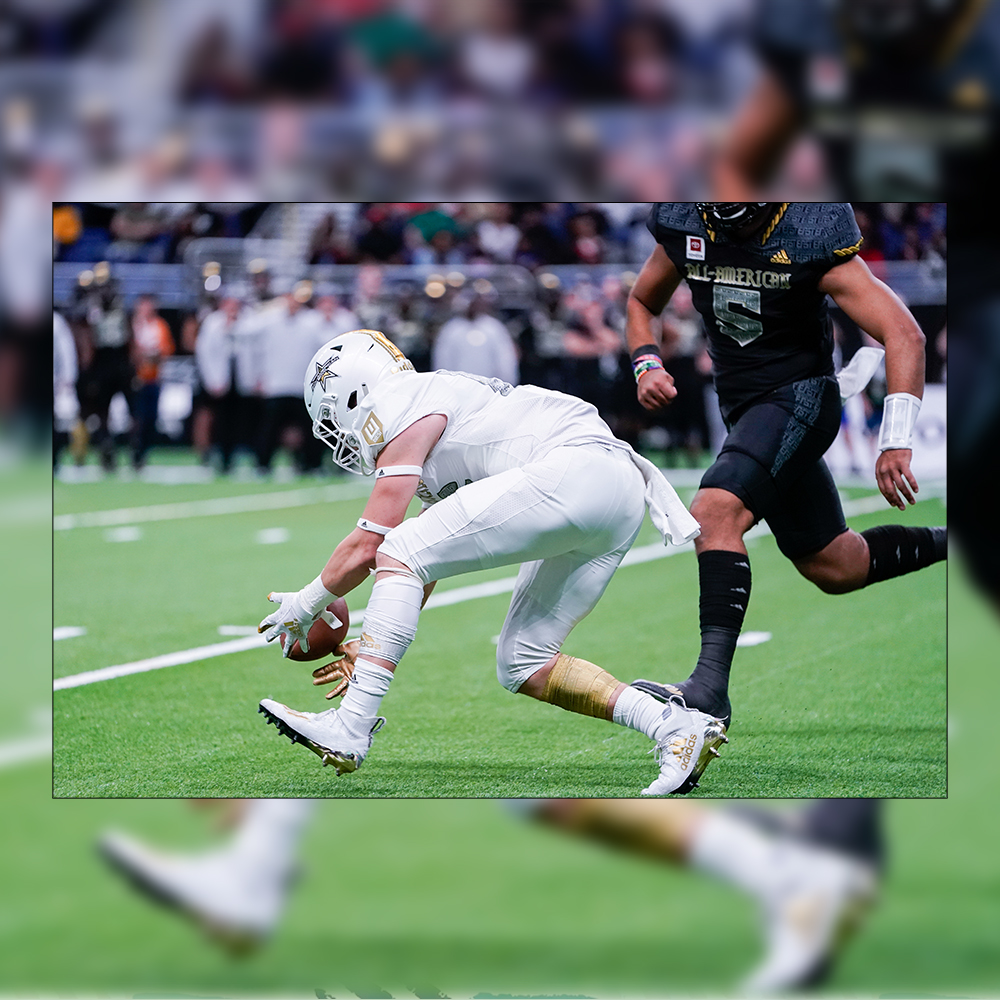
Football teaches young athletes much more than how to score touchdowns and win games. It creates opportunities to develop leadership, discipline, accountability, and emotional strength. Every practice and competition offers valuable lessons that extend beyond the field. Players learn to manage pressure, support teammates, and accept responsibility for their actions. Furthermore, football encourages athletes to establish positive habits through consistent effort and preparation. With supportive coaching and responsible training, young players can develop qualities that help them succeed in school, relationships, careers, and everyday life.
Understanding the Connection Between Football and Leadership
Football provides a natural environment for developing leadership skills. Players must communicate effectively, make decisions, and work together toward shared goals. Furthermore, they learn that successful leadership requires patience, understanding, and commitment. Strong leaders encourage their teammates rather than focusing only on personal achievements.
Leadership and discipline in football develop through everyday experiences. Athletes demonstrate leadership when they help struggling teammates, respect coaching instructions, and maintain positive attitudes. Consequently, players discover that leadership depends on actions rather than titles. These experiences help them become dependable individuals who inspire confidence and trust.
Setting a Positive Example for Teammates
Effective football leaders understand that their behavior influences others. They arrive at practice on time, complete training exercises, and demonstrate respect throughout competitions. Moreover, their commitment encourages teammates to develop similar habits. Consistent actions often communicate expectations more effectively than motivational speeches.
Young athletes can also demonstrate leadership by maintaining composure during difficult situations. Instead of blaming others after mistakes, responsible players focus on finding solutions. As a result, they create a more supportive team environment. Their behavior encourages cooperation and helps teammates remain motivated when challenges arise.
Developing Discipline Through Consistent Practice
Football requires regular training and careful preparation. Athletes must follow schedules, complete conditioning exercises, and improve their technical abilities. Therefore, consistent practice teaches students the importance of discipline. Players gradually understand that meaningful improvement requires patience, dedication, and sustained effort.
Additionally, structured training helps athletes establish productive daily routines. They learn to manage their time, prepare equipment, and meet team expectations. These responsibilities encourage independence and accountability. Over time, disciplined behavior becomes a valuable habit that can support academic achievement, professional growth, and personal development.
Taking Responsibility for Personal Decisions
Every football player has specific responsibilities that influence team performance. Missing an assignment or losing concentration can create difficulties for others. Consequently, athletes learn to recognize how their decisions affect the entire group. This awareness encourages greater accountability and thoughtful behavior.
Furthermore, responsible players acknowledge their mistakes instead of making excuses. They listen to constructive feedback and identify practical ways to improve. Coaches can support this process by encouraging honest discussions about performance. Through these experiences, athletes develop maturity and understand the importance of accepting responsibility for their actions.
Strengthening Communication and Team Cooperation
Clear communication plays an essential role in football. Players exchange information, discuss strategies, and coordinate their movements throughout each game. Similarly, effective leaders listen carefully and provide helpful guidance. These communication habits reduce confusion and strengthen cooperation among teammates.
Football also encourages athletes to interact with individuals who have different personalities and abilities. Players learn to respect different opinions and resolve disagreements constructively. As a result, they develop stronger interpersonal skills. These abilities can help young athletes build positive relationships in educational settings, workplaces, and their communities.
Maintaining Self-Control During Competitive Situations
Competitive games often create emotional pressure. Players may experience frustration after unsuccessful plays, difficult decisions, or disappointing results. However, football provides opportunities to practice emotional control. Athletes learn to manage their reactions and focus on their responsibilities instead of acting impulsively.
Moreover, disciplined players recognize that aggressive or disrespectful behavior can harm team performance and player safety. They follow the rules and treat opponents and officials with respect. Through responsible coaching, young athletes can develop patience and emotional maturity. These qualities remain valuable when they encounter stressful situations outside sports.
Building Confidence Through Challenges and Progress
Football encourages athletes to challenge their abilities and pursue meaningful improvements. Learning a new technique or achieving a personal training goal can create a strong sense of accomplishment. Furthermore, gradual progress helps players recognize their potential and develop confidence in their abilities.
Supportive teammates and coaches also contribute to healthy confidence. Positive encouragement helps athletes overcome uncertainty and approach unfamiliar situations with determination. Nevertheless, players should understand that personal worth extends beyond athletic performance. A balanced perspective allows them to celebrate achievements while remaining open to feedback and continuous learning.
Balancing Athletic Commitments With Academic Goals
Student athletes must manage school responsibilities alongside football practices and competitions. Therefore, effective time management becomes an important part of their daily lives. Players learn to organize their schedules, complete assignments, and prepare for upcoming responsibilities without neglecting their education.
Additionally, maintaining balance requires realistic expectations and healthy recovery habits. Students need sufficient sleep, proper nutrition, and time for personal interests. Supportive coaches encourage academic achievement and respect these needs. By balancing their commitments, young athletes develop organizational skills that prepare them for future educational and professional opportunities.
Creating a Team Culture Built on Respect
Successful football programs encourage respect, fairness, and mutual support. Coaches establish clear expectations, while players contribute through responsible behavior. Furthermore, a positive team culture helps athletes feel valued regardless of their experience or performance level. This environment encourages participation and strengthens trust.
Respect also includes protecting the health and safety of every participant. Tackle football carries injury risks, including concussions. Therefore, athletes should report injuries promptly and follow medical guidance. Responsible leaders never pressure teammates to ignore pain or concerning symptoms. Instead, they recognize that protecting others matters more than winning a game.
Applying Football Lessons to Everyday Life
The leadership qualities students develop through football can influence their future success. Athletes learn to communicate clearly, manage responsibilities, and remain committed to meaningful goals. Moreover, they discover how cooperation and mutual respect can help groups overcome challenges and achieve shared objectives.
Ultimately, football offers valuable opportunities for personal development when programs prioritize safety, education, and character. The lessons athletes gain through disciplined preparation and responsible leadership can extend into adulthood. By maintaining positive habits, accepting accountability, and supporting others, young athletes can become confident and dependable individuals. Their greatest achievements may occur long after they leave the football field.