How Gaming Problem-Solving Skills Support Academic Success


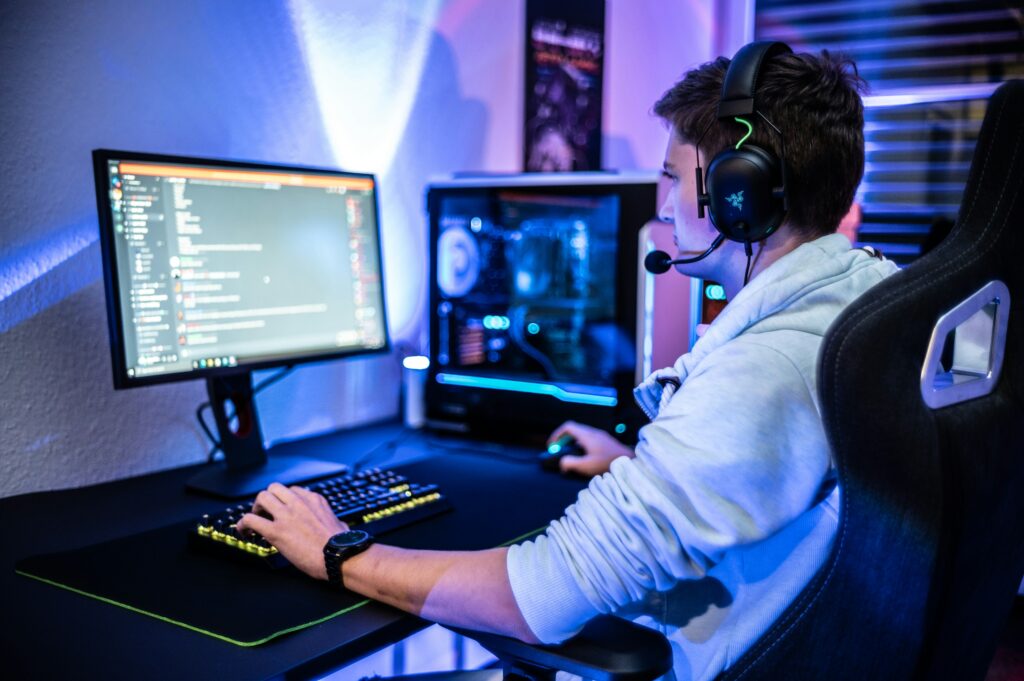
ideo games have become a major part of entertainment for students around the world. However, gaming can offer more than a way to relax after school. Many games challenge players to think, plan, analyze information, and solve difficult problems. As a result, gaming problem-solving can help students practice mental skills that also play an important role in academic success.
Students face problems every day in school. They solve math equations, analyze reading material, complete science projects, organize assignments, and prepare for exams. These activities require patience, critical thinking, and good decision-making. Interestingly, many video games require similar abilities. Players must understand challenges, test possible solutions, learn from mistakes, and adjust their strategies.
However, gaming does not automatically improve academic performance. Students need to choose suitable games and maintain a healthy balance between gaming and their responsibilities. When used wisely, video games can provide an interactive environment for practicing skills that support learning. Therefore, understanding the relationship between gaming and problem-solving can help students, parents, and educators view games from a broader educational perspective.
Why Gaming Problem Solving Matters for Students
Gaming problem solving involves identifying a challenge, understanding available information, considering possible actions, and choosing a useful solution. Many games repeat this process throughout the player’s experience. For example, a player may need to find a route through a difficult environment, manage resources, solve a puzzle, or decide how to respond to an opponent.
These challenges encourage players to think instead of reacting. Furthermore, games often become harder as players improve. A strategy that worked earlier may no longer produce the same result. Therefore, players must review the situation and create a new plan. This constant adjustment helps exercise flexible thinking.
Students use the same general process in academic settings. When they encounter a difficult question, they need to understand the problem before trying to answer it. If the first method fails, they may need to try another approach. Consequently, experience with gaming problem solving can encourage students to become more comfortable with challenges that require several attempts.
Video Games Encourage Critical Thinking
Critical thinking allows students to examine information carefully before concluding. Instead of accepting the first possible answer, critical thinkers ask questions, compare evidence, and consider alternative explanations. Many video games encourage these behaviors through interactive challenges.
Strategy, puzzle, adventure, and simulation games often require players to evaluate several pieces of information at once. For instance, players may need to decide which resources matter most or which action offers the best chance of success. Therefore, they learn to consider the possible results of their choices.
Critical thinking also supports academic performance. Students use it when analyzing literature, interpreting scientific results, evaluating historical sources, and writing persuasive essays. Moreover, strong critical thinking can help students recognize weak arguments and unreliable information. Gaming can provide additional practice with these mental processes when games require thoughtful analysis rather than simple repetition.
Gaming Strengthens Strategic Thinking
Strategy plays a central role in many video games. Players often need to create a plan before making important decisions. They may need to manage resources, predict an opponent’s actions, protect important assets, or prepare for future challenges. As a result, successful gaming often requires players to think beyond the immediate situation.
Strategic thinking can also improve how students approach schoolwork. For example, preparing for an exam requires more than studying everything at the last minute. Students need to identify important topics, decide how much time each subject requires, and select effective study methods. Likewise, completing a large project requires planning several stages before the deadline.
Therefore, gaming and academic performance can share an important connection through strategic thinking. Students who understand how planning improves gaming outcomes can apply the same principle to their education. They can create clear goals, organize tasks, and think about the consequences of their choices before taking action.
Games Teach Students to Learn From Mistakes
Mistakes are a normal part of video games. Players may choose the wrong path, lose a competition, fail a mission, or make a poor strategic decision. However, games usually allow players to try again. This structure encourages experimentation and learning.
When players fail, they often ask why something went wrong. They may notice that they used resources too early, ignored an important clue, or selected an ineffective strategy. Consequently, they use the information from failure to improve their next attempt. This process can build persistence and encourage a healthier response to mistakes.
Students can apply the same attitude to academic challenges. A low test score, incorrect answer, or difficult assignment does not need to represent permanent failure. Instead, students can examine their mistakes and identify areas that need improvement. Therefore, gaming problem solving may help reinforce the idea that mistakes can provide useful information for future success.
Gaming Can Improve Decision-Making Skills
Video games frequently require players to make decisions. Some choices have immediate results, while others influence events much later. Players must often compare different options before deciding which action offers the greatest benefit.
This process can strengthen decision-making because players experience the consequences of their choices. If a decision creates a negative outcome, they can review what happened and make a different choice later. In addition, some games require decisions under time pressure, which encourages players to identify important information quickly.
Decision-making matters in education as well. Students decide when to study, how to organize assignments, which research sources to trust, and how to approach difficult questions. Therefore, the ability to compare options and think about consequences can support stronger academic habits. Gaming provides a controlled environment where students can practice making choices and evaluating results.