Friday Night Lights: Real Challenges Behind High School Football Success


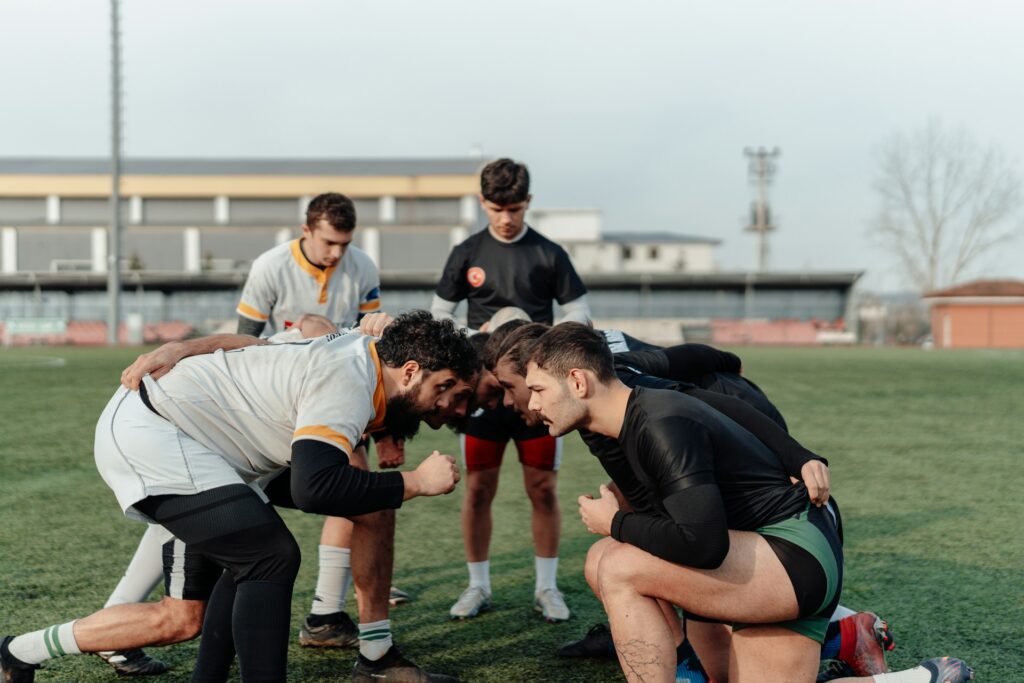
High school football looks exciting from the stands, yet the reality on the field tells a deeper story. Players face both mental and physical struggles as they chase victory and growth. From early morning practices to late-night games, they push through pain, pressure, and expectations. At the center of this journey lies youth athlete resilience, which helps players stay focused even when challenges feel overwhelming. Although the crowd cheers loudly, most people do not see the discipline and sacrifice that shape these young athletes.
The Physical Demands of the Game
High school football demands strength, speed, and endurance. Players train almost every day, and they often lift weights, run drills, and practice plays for hours. As a result, their bodies are constantly under stress. Coaches expect them to stay in top condition, so they follow strict routines to build stamina and power. Moreover, players must maintain proper nutrition and rest, which can feel difficult during a busy school schedule.
In addition, injuries remain a major concern. Football is a contact sport, so players often deal with sprains, bruises, and even serious injuries like concussions. While protective gear helps reduce risk, it does not eliminate it. Therefore, athletes must learn how to listen to their bodies and recover properly. Even though they want to stay in the game, pushing through injury can lead to long-term damage. Because of this, physical care becomes just as important as performance.
Balancing School and Sports
Student athletes face a unique challenge when it comes to time management. On one hand, they must keep up with schoolwork. On the other hand, they commit many hours to practice and games. This balance often creates stress, especially during exam periods. However, players who manage their time well can succeed both on the field and in the classroom.
Furthermore, teachers and coaches often work together to support these students. Still, the responsibility falls on the athlete to stay organized. They may complete homework on buses or late at night after practice. While this routine builds discipline, it can also lead to fatigue. As a result, players must develop strong habits early to handle both responsibilities effectively.
The Mental Pressure to Perform
Football is not just a physical game; it is also a mental one. Players deal with pressure from coaches, teammates, parents, and even themselves. They want to win, improve, and earn recognition. Consequently, they may feel anxious before games or disappointed after mistakes. This emotional cycle can affect confidence and performance if not managed well.
Amid these challenges, mental toughness in sports becomes a key factor. Athletes who build mental strength can stay calm under pressure and bounce back from setbacks. For example, a quarterback who throws an interception must quickly refocus on the next play. Likewise, a defensive player who misses a tackle cannot dwell on the mistake. Instead, they must stay present and ready for the next opportunity.
Team Dynamics and Peer Relationships
Football teaches teamwork, but it also tests relationships. Players must trust each other and work together to succeed. However, conflicts can arise when competition for positions increases. Some players may feel frustrated if they do not get enough playing time. Others may struggle to communicate effectively with teammates.
At the same time, strong team bonds can make a big difference. When players support each other, they build a sense of unity and motivation. Coaches often encourage teamwork through group activities and shared goals. As a result, athletes learn valuable social skills that extend beyond the field. These lessons help them grow not only as players but also as individuals.
The Role of Coaches and Mentors
Coaches play a major role in shaping a player’s experience. They guide training, develop strategies, and provide feedback. More importantly, they influence how players handle success and failure. A supportive coach can boost confidence and encourage growth, while a harsh approach may increase stress.
In addition, mentors such as older players or assistant coaches can offer guidance. They share personal experiences and help younger athletes adjust to the demands of the sport. Because of this support system, players often find encouragement during tough times. Good leadership can turn challenges into learning opportunities and build lasting character.
Coping with Wins and Losses
Winning feels great, but losing is part of the game. High school athletes must learn how to handle both outcomes with maturity. After a win, they celebrate their hard work and teamwork. However, they must also stay humble and focused on improvement. On the other hand, losses can feel discouraging, especially after a close game.
Nevertheless, setbacks often provide valuable lessons. Players can review mistakes, adjust strategies, and come back stronger. Coaches usually emphasize growth over results, which helps athletes develop a healthy mindset. Over time, this approach builds resilience and prepares them for future challenges in sports and life.
The Impact on Long-Term Development
The challenges of high school football shape more than athletic ability. They also influence personal growth and future success. Players learn discipline, responsibility, and perseverance. These qualities help them in college, careers, and relationships. Even those who do not continue playing football carry these lessons with them.
Moreover, the experience teaches goal setting and commitment. Athletes understand that progress takes time and effort. They learn to overcome obstacles and stay dedicated to their goals. Because of this, high school football becomes a foundation for lifelong skills and values.
Building Healthy Habits for Success
To handle the demands of football, players must develop healthy habits. Proper sleep, balanced nutrition, and regular recovery routines play a key role. Without these, performance can suffer, and injury risk increases. Therefore, athletes need to take care of their bodies just as much as they train them.
In addition, mental health deserves attention. Stress and pressure can build over time, so players should find ways to relax and recharge. Talking to coaches, friends, or family can help. Also, simple practices like deep breathing or mindfulness can improve focus. These habits support both physical and mental well-being.
Conclusion: More Than Just a Game
High school football is more than a sport; it is a journey filled with challenges and growth. Players face tough physical demands, emotional pressure, and struggles with time management. Yet, they also gain valuable skills and experiences that shape their future. At the heart of this journey is student-athlete development, which highlights the balance among sports, education, and personal growth. In the end, the lessons learned on the field often last a lifetime, making every challenge worth the effort.