High School Football Challenges That Build Stronger Student Athletes


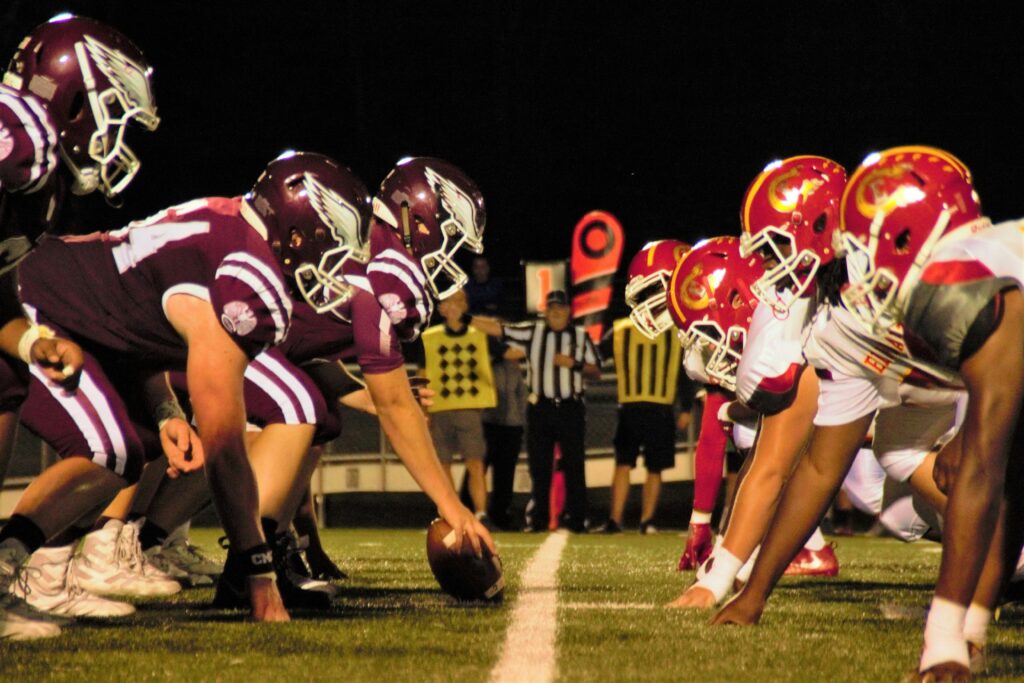
High school football brings excitement, competition, teamwork, and school pride together. However, behind every game lies weeks of demanding practice and preparation. Players must build physical endurance while developing the mental strength to handle pressure, mistakes, competition, and expectations. These High School Football Challenges make the sport demanding, but they can also help young athletes grow.
Football asks players to push themselves in several ways at once. An athlete may feel physically tired while still needing to remember a play, communicate with teammates, and react within seconds. Therefore, success requires more than strength or speed. Players also need focus, discipline, patience, and confidence.
At the same time, high school players must manage classes, homework, family responsibilities, and social life. These demands can make the season feel intense. However, when athletes develop healthy habits and receive proper support, football can teach lessons that extend far beyond the field.
Understanding the Demands of High School Football
High school football combines physical effort with constant decision-making. Players sprint, block, tackle, change direction, and repeat demanding movements throughout practices and games. As a result, athletes need strength, speed, balance, coordination, and endurance to perform consistently.
However, physical skills represent only part of the challenge. Players must also remember assignments, understand formations, communicate clearly, and adjust quickly when situations change. A tired athlete still needs to think clearly late in a game.
Because football challenges both mind and body, balanced preparation matters. Athletes who only focus on physical development may struggle under pressure. Likewise, mentally confident players still need enough conditioning to perform safely and effectively.
Building Physical Endurance for a Long Season
A football season can place steady demands on a player’s body. Practices begin long before game day, and conditioning may continue throughout the season. Therefore, players need to develop endurance gradually instead of expecting immediate results.
Football conditioning differs from simply running long distances. Players often perform short bursts of intense movement followed by brief recovery periods. As a result, training may include sprinting, agility work, strength exercises, and position-specific drills.
Consistency becomes important because physical endurance develops over time. Athletes who follow structured training programs can improve their ability to maintain effort during demanding games. However, players also need rest because the body cannot improve without enough recovery.
Developing Mental Strength Under Pressure
Football creates situations where athletes must make decisions quickly. A quarterback may need to read a defense within seconds, while a defensive player must recognize an offensive formation and respond immediately. Therefore, concentration becomes just as important as physical ability.
Pressure can make these decisions more difficult. Players may worry about disappointing coaches, making mistakes, or losing playing time. In addition, performing in front of classmates, family members, and large crowds can increase nervousness.
Mental strength helps athletes stay focused on what they can control. Instead of worrying about the final score, players can concentrate on their assignments and the next play. Over time, this approach can help athletes become more confident during stressful situations.
Learning to Perform While Physically Tired
Fatigue changes how athletes move and think. When players become tired, their reactions may slow, and maintaining proper technique may become harder. However, football games often require athletes to perform effectively late in the contest.
Conditioning helps players prepare for these situations. Regular training allows the body to become more comfortable with repeated physical effort. As a result, players can maintain better movement and concentration even when they start to feel tired.
Mental discipline also matters during these moments. Athletes need to stay focused instead of allowing fatigue to control their decisions. Learning to stay composed while tired can become one of the most important High School Football Challenges players face.
Handling Mistakes Without Losing Confidence
Every football player makes mistakes. A receiver may drop a pass, a defender may miss a tackle, or a lineman may miss an assignment. Although these moments can feel frustrating, one mistake does not have to control the rest of the game.
Mentally strong athletes learn how to respond quickly. They recognize the mistake, listen to feedback, and shift their attention toward the next play. Therefore, resilience often matters more than trying to perform perfectly.
Coaches can help athletes develop this mindset. Constructive feedback gives players clear information about what they can improve. At the same time, teammates can encourage them after difficult moments. A supportive environment makes it easier for players to learn instead of fearing failure.
Facing Competition for Playing Time
High school football players compete against opponents, but they may also compete with teammates for positions. Several athletes can want the same starting role. As a result, some players may receive less playing time than they expected.
This situation can test patience and motivation. A player who practices every day may feel disappointed when another athlete starts. However, focusing only on playing time can worsen frustration.
Instead, athletes can concentrate on preparation, technique, effort, and communication. These areas remain within their control. Moreover, competition can encourage players to improve when coaches create a respectful team culture. Teammates can challenge one another while still working toward the same goal.
Managing the Physical Impact of Football
Because football involves physical contact, players need to take health and safety seriously. Proper technique can help athletes approach contact more responsibly. In addition, players should communicate when they experience pain or concerning symptoms.
Some athletes may feel pressure to hide physical problems for fear of losing their position. However, ignoring an injury can create additional concerns. Therefore, players should report injuries and follow guidance from appropriate health professionals.
Recovery deserves attention as well. Sleep, hydration, balanced nutrition, and rest all support the body’s ability to handle demanding activity. Although training helps athletes become stronger, recovery allows the body to adapt to that training.