Rhythms of Relaxation: Designing a Personal Meditation Space That Restores Balance


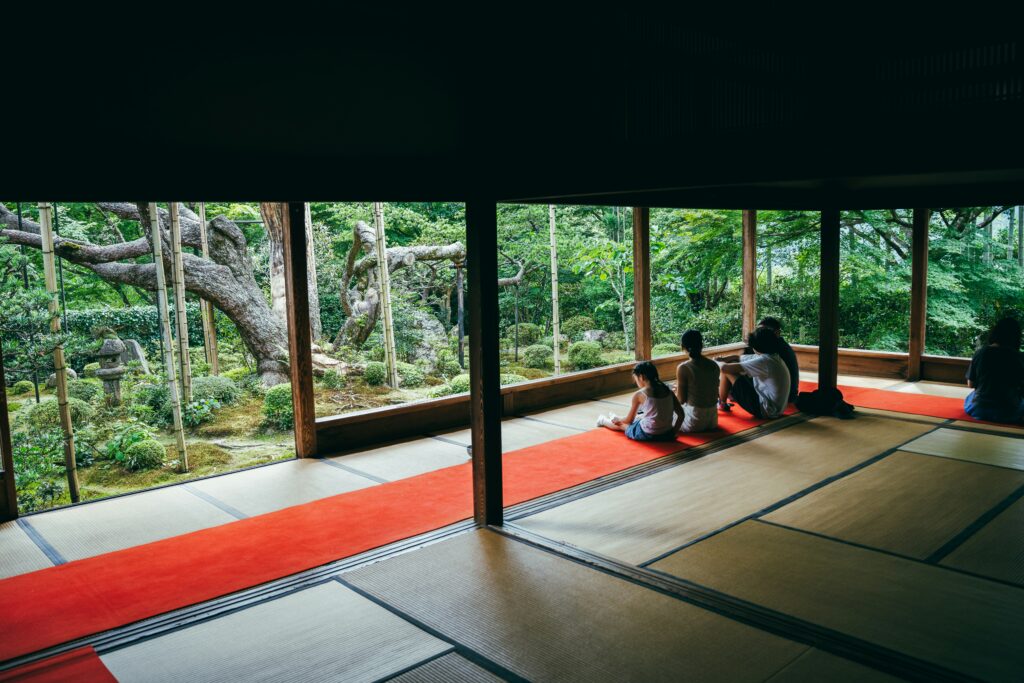
Meditation becomes more meaningful when you shape a space that supports calm thinking and steady breathing. In today’s fast-paced world, people often struggle to slow down, and therefore, a dedicated environment helps the mind shift into a more peaceful state. Moreover, a well-crafted meditation space guides attention away from distractions and toward inner awareness. As a result, you can build a stronger daily habit with greater ease. In addition, you do not need a large or expensive area to begin. Instead, you only need intention, clarity, and thoughtful choices that reflect your personal sense of peace. Consequently, your environment begins to influence your emotions in a positive direction, and your meditation practice grows more consistent and rewarding over time.
Understanding the Purpose of a Meditation Space
A meditation space serves as a mental anchor that signals your mind to slow down and focus. First, you create this area to separate relaxation from everyday stress, and this separation helps you shift your thoughts more quickly. Moreover, you build consistency when you return to the same place each day. As you continue this habit, your mind begins to associate the space with calmness. Therefore, even a brief moment spent there can trigger relaxation. Additionally, you shape the environment to reflect simplicity and intention, which further strengthens mental clarity. Over time, this purpose-driven design encourages deeper breathing and more mindful awareness.
Choosing the Right Location for Calm Energy
Selecting the right location plays a key role in shaping your meditation experience. To begin with, you should look for a spot that limits noise and interruptions. At the same time, you should consider how natural light moves through the area because soft lighting helps you settle more easily. Furthermore, a consistent location helps you build a reliable routine, which strengthens your practice. If you place your space near a window, you may also benefit from fresh air and a gentle connection to the outside world. In contrast, darker corners can still support focus when you use intentional lighting. Ultimately, the goal involves choosing a place that feels stable, quiet, and naturally calming.
Creating Comfort Through Simple Elements
Comfort plays a central role in how deeply you relax during meditation. First, you can introduce soft textures that support your body without creating a distraction. Additionally, you may choose seating that encourages an upright yet relaxed posture. As you refine your setup, you notice how physical ease leads to mental ease. Moreover, gentle materials such as cushions or mats help reduce tension in your muscles. At the same time, you avoid overcrowding the space because simplicity strengthens focus. Consequently, your body begins to settle more quickly each time you return. Over time, these small adjustments create a steady foundation for longer and more meaningful sessions.
Enhancing the Atmosphere with Sensory Balance
Your senses respond strongly to the environment, so you can guide them toward calmness with thoughtful choices. For instance, soft lighting helps reduce visual strain and supports relaxation. Meanwhile, subtle natural scents can encourage slower breathing and deeper awareness. In addition, quiet background sounds or complete silence both help, depending on your preference. As you explore these elements, you learn what supports your focus best. Furthermore, you avoid overwhelming the space because too many sensory inputs can interrupt concentration. Instead, you aim for balance that gently supports the mind. Consequently, your meditation practice becomes smoother and more immersive with each session.
Building Consistency Through Daily Practice
Consistency transforms your meditation space from a physical area into a mental retreat. Initially, you may find it difficult to maintain a routine, but repetition strengthens habit. Therefore, you commit to visiting your space at the same time each day whenever possible. Moreover, you begin to notice how quickly your mind adjusts when you follow a predictable rhythm. In addition, even short sessions help reinforce this pattern. As time passes, your body and mind respond faster to the environment. Consequently, you enter a calmer state with less effort. This steady practice builds long-term emotional stability and supports overall well-being.
Personalizing Your Space for Emotional Connection
Personal touches strengthen your emotional bond with your meditation space. For example, you may include meaningful objects that reflect calmness or personal growth. Additionally, you can adjust colors or textures that match your sense of peace. As you personalize the environment, you create a deeper sense of belonging within it. Moreover, this connection encourages you to return more often and stay longer. However, you should maintain simplicity so that each item supports focus rather than distraction. Therefore, every addition should carry purpose and meaning. Over time, this personalization transforms your space into a reflection of your inner balance.
Embracing Stillness and Long-Term Growth
Stillness grows naturally when you continue to practice in a space that supports relaxation. First, you learn to let go of external pressure as you settle into your environment. Then, you begin to notice subtle shifts in your thoughts and emotions. Moreover, regular practice helps you respond to stress with greater calm. As a result, your meditation space becomes a steady source of emotional renewal. In addition, your commitment to this practice encourages long-term personal growth. Ultimately, you develop a deeper understanding of your inner world, and your space continues to support that journey with quiet strength and consistency.