Volunteer Opportunities in Your Local Community Guide Center


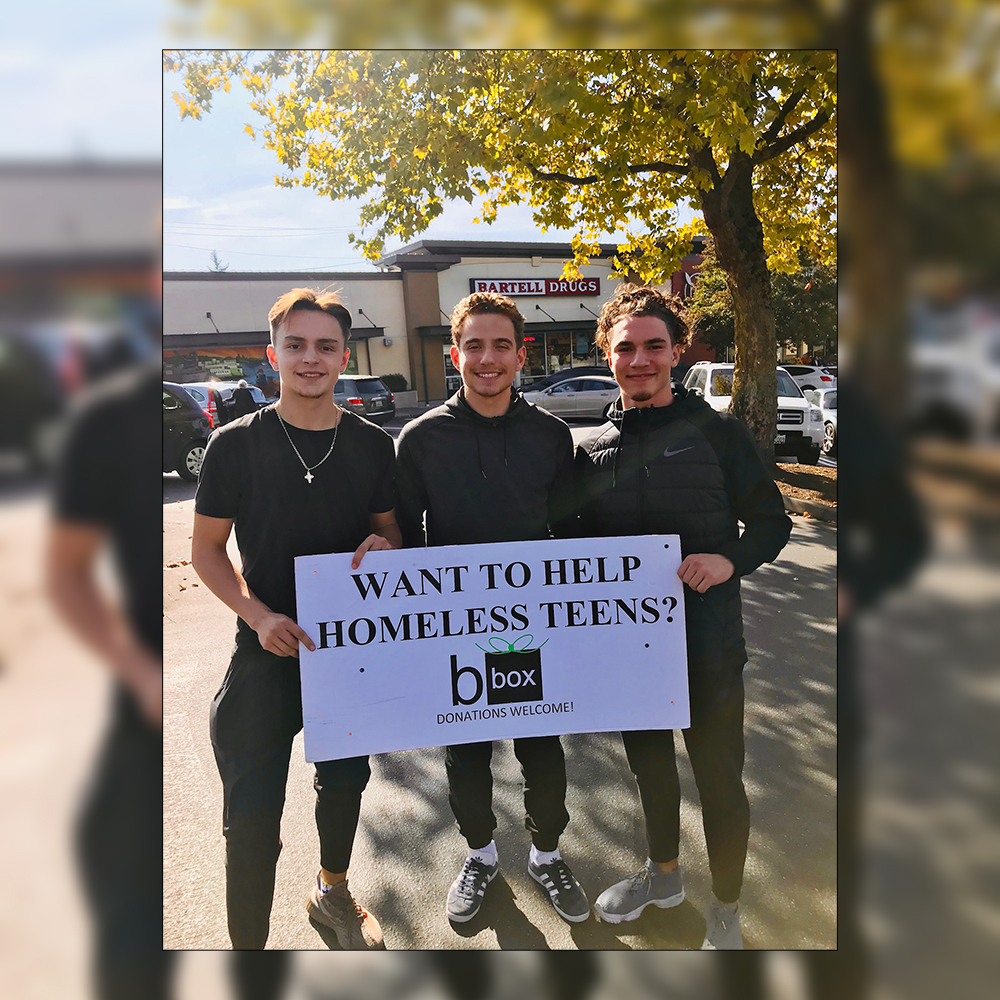
Volunteering strengthens neighborhoods, builds connections, and gives people a strong sense of purpose. When you search for volunteer opportunities in your local community, you do more than offer your time. You support people, improve shared spaces, and help local groups thrive. Many people want to help, yet they often feel unsure about where to begin. Fortunately, once you understand how to explore your area and connect with organizations, the process becomes simple and rewarding.
In every town or city, charities, nonprofits, and grassroots groups need caring volunteers. Therefore, when you take the first step, you open the door to meaningful experiences and lasting impact.
Understand What Kind of Volunteer Work Inspires You
Before you search for volunteer opportunities, think about the causes that matter most to you. Some people feel passionate about helping families in need. Others enjoy supporting animal shelters, protecting the environment, or guiding young students.
When you reflect on your interests, you narrow your search and increase the chance of finding a role you truly enjoy. For example, if you love nature, you may enjoy helping with park cleanups or tree planting projects. Meanwhile, if you enjoy conversation and mentorship, you might volunteer with youth programs or senior centers.
Your skills also play a helpful role. A person who enjoys organizing events can assist with fundraising activities. Likewise, someone with writing or design skills may support a nonprofit’s outreach efforts. When you combine passion with ability, your volunteer experience becomes both meaningful and enjoyable.
Explore Community Centers and Local Organizations
Community centers often serve as hubs for volunteer opportunities. These centers host programs for education, recreation, and social support. Because they connect many groups in one place, they often know which organizations currently need help.
Visit your local community center and speak with staff members. They usually keep information about nearby charities, food banks, shelters, and outreach programs. In addition, community bulletin boards often display flyers from groups searching for volunteers.
Local libraries also act as valuable information centers. Many libraries collaborate with nonprofits and frequently promote volunteer events. Therefore, when you check your library’s announcements or speak with a librarian, you may discover new ways to serve your community.
Use Online Platforms to Find Volunteer Opportunities
Today, the internet makes it easier than ever to find volunteer opportunities in your local community. Many nonprofit directories and volunteer networks connect people with organizations that need help.
Start by searching for local nonprofits or community groups in your area. Many organizations maintain websites or social media pages where they announce volunteer needs. Furthermore, local event platforms often highlight upcoming service projects and charity events.
Social media groups dedicated to neighborhood activities also help people discover volunteer opportunities. Residents often share upcoming cleanups, donation drives, and support initiatives. As a result, you can quickly learn about ways to help without traveling far from home.
However, when you contact organizations online, always read about their mission and programs first. This step ensures that the group aligns with your values and goals.
Connect With Schools and Youth Programs
Schools often welcome volunteers who want to support education and student development. Parents, community members, and mentors can assist with tutoring programs, reading support, or after-school activities.
Many schools also run community service projects that welcome adult volunteers. For instance, they may organize neighborhood improvement projects, charity drives, or cultural events. When you participate, you help students learn the value of giving back while strengthening community ties.
Youth centers and mentorship programs also offer meaningful volunteer opportunities. These groups guide young people through education, leadership, and personal growth. As a volunteer, you can share your experiences and encourage confidence in the next generation.
Support Local Shelters and Outreach Programs
Shelters and outreach programs rely heavily on volunteers. These organizations serve people facing housing challenges, food insecurity, or unexpected hardships. Therefore, they often need help with daily operations and community support events.
Volunteers may assist with meal preparation, sorting donations, or performing administrative tasks. In addition, some shelters seek volunteers who provide conversation and companionship for residents. Simple acts of kindness can create a strong sense of dignity and belonging.
Food banks and community kitchens also depend on volunteer support. Many communities organize weekly food distribution programs. When volunteers help pack groceries or greet visitors, these services run smoothly and reach more families.
Participate in Environmental Volunteer Projects
Environmental groups frequently organize volunteer opportunities that improve local parks, rivers, and green spaces. These projects protect nature while also bringing people together.
Park cleanups, garden restoration projects, and tree-planting events occur in many communities throughout the year. Volunteers gather to remove litter, restore habitats, and maintain shared spaces.
These projects often welcome people of all ages and experience levels. As a result, they offer a great starting point for anyone new to volunteering. You meet neighbors, enjoy fresh air, and see immediate results from your efforts.
Moreover, environmental volunteer work encourages long-term community pride. When residents work together to care for shared spaces, neighborhoods become cleaner, healthier, and more welcoming.
Attend Community Events and Volunteer Fairs
Volunteer fairs introduce residents to many organizations in one place. Nonprofits set up information tables, share their missions, and invite people to join their programs.
These events provide a valuable chance to speak directly with organizers and volunteers. You can ask questions, learn about upcoming projects, and discover opportunities that match your interests.
Community festivals, charity walks, and local fundraisers also help people connect with volunteer networks. While enjoying the event, you meet leaders from different organizations and learn how you can support their work.
Therefore, attending community gatherings often leads to unexpected and meaningful volunteer opportunities.
Build Relationships With Local Nonprofits
When you begin volunteering, strong relationships often lead to deeper involvement. Nonprofit teams appreciate reliable volunteers who show enthusiasm and commitment.
As you continue to volunteer, you may take on new responsibilities or help organize projects. Over time, you develop friendships and professional connections that strengthen your sense of community.
In addition, nonprofit leaders often recommend volunteers to other organizations. Therefore, one opportunity can open the door to many others.
Consistency also helps you see the long-term results of your efforts. Instead of helping once, you become part of an ongoing mission that improves lives and strengthens neighborhoods.
Start Small and Grow Your Impact
Many people hesitate to volunteer because they worry about time commitments. However, you can begin with small steps. Even a few hours of service can make a difference.
For example, you might help at a weekend event or join a short community project. Afterward, you can decide whether you want to volunteer more often.
Gradually, as you grow comfortable, you may discover new roles that match your interests and schedule. Some volunteers eventually lead projects, mentor new helpers, or assist with planning programs.
The key lies in taking the first step. Once you experience the joy of giving back, you often feel inspired to continue.